
Some objects do not change a room instantly.
They slowly become part of its atmosphere.
The Large World Map Wall Clock (24-inch) is designed in that way — quiet, balanced, and almost meditative in presence. The combination of time and the world map creates something beyond decoration: a reminder of movement, distance, memory, and the passing of time within the same space we live in every day. Lets read it.
This article contains affiliate links. We earn from qualifying purchases at no extra cost to you.
Overview
The Large World Map Wall Clock (24-inch) is not just a decorative object. It sits at the intersection of timekeeping, spatial awareness, and interior design language. Its value is not in complexity, but in reduction—how much meaning can be carried through minimal form.
Lets Check It.
Design Language
- Circular metal frame with minimal visual weight
- World map reduced to outline and negative space
- Industrial-modern aesthetic with restraint
- Designed to blend rather than dominate interiors
Conceptual Meaning of the World Map
- The map is abstracted, not geographic or detailed
- It shifts from navigation tool → symbolic representation
- Suggests global awareness without instruction or direction
- Works as a quiet reminder of scale and distance.

Time as Experience (Not Pressure)
- Silent, non-ticking mechanism removes auditory fragmentation
- Encourages perception of continuous rather than segmented time
- Reduces “urgency effect” often associated with clocks
- Time becomes ambient rather than intrusive
Lets Check It.
Material and Form
- Metal structure communicates permanence and stability
- Matte or dark finishes reinforce visual calm
- Circular geometry removes hierarchy (no corners, no direction)
- Form supports neutrality rather than decoration
Scale and Presence (24-inch)
- Large enough to establish a focal point
- Small enough to avoid visual dominance
- Works best as a “balanced anchor” in interior composition
- Functions as presence rather than statement
Spatial Behavior (How It Changes a Room)
- In living rooms → creates quiet focal awareness
- In offices → softens productivity-driven environments
- In bedrooms → introduces calm temporal awareness
- In kitchens → adds structure without visual noise
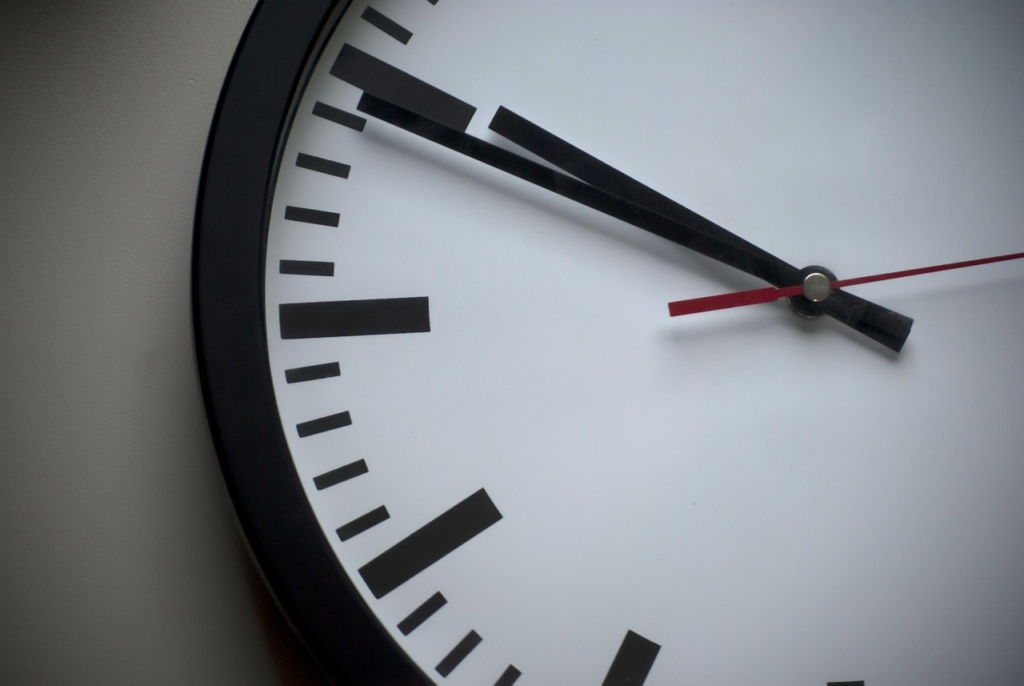
Core Idea
- Not an object of display, but of awareness
- Not designed to impress, but to settle into space
- Combines two universal systems:
- Time (clock)
- Space (world map)
- Result: a restrained dialogue between both
Closing Insight
This type of object does not demand attention.
It alters perception slowly—through repetition, presence, and silence.