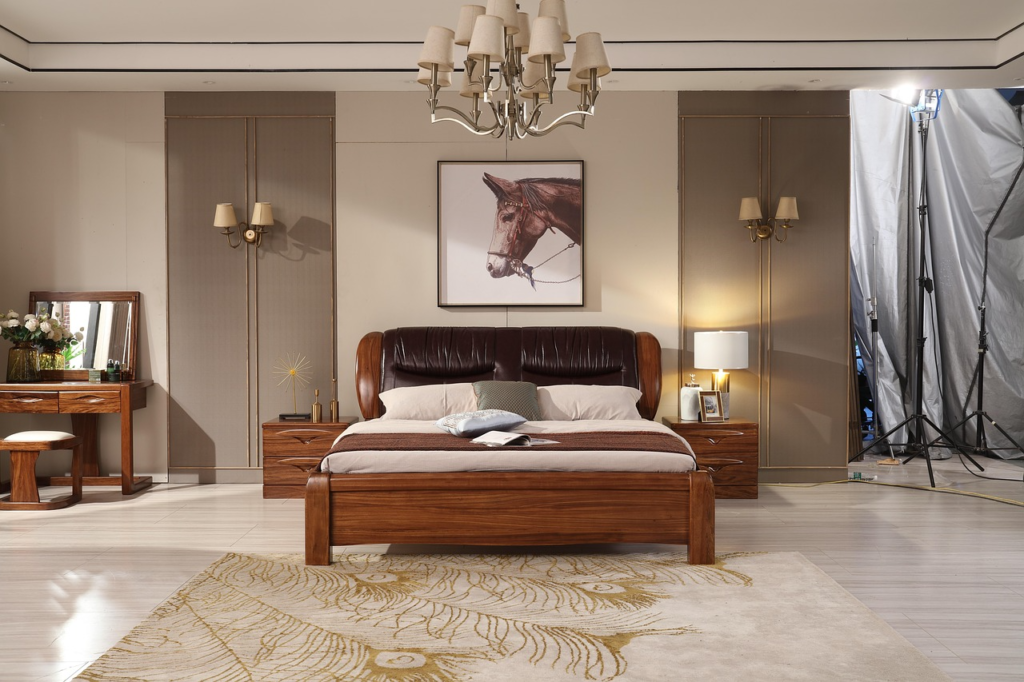
Your bedside table is one of the most underestimated spaces in your home.
It’s the final environment your mind experiences before sleep and the first signal your brain receives in the morning. That alone makes it powerful. Yet most people treat it like a dumping ground—random chargers, receipts, half-read items, and unnecessary clutter.
A well-designed bedside table doesn’t just look good. It shapes your habits, influences your mood, and supports a more disciplined lifestyle.
Here’s how to do it properly.
1. Reset the Space Completely
Before improving anything, strip it down.
Take everything off your bedside table and ask a simple question: Does this belong in my night routine or morning routine?
If not, remove it.
Clutter isn’t just visual—it creates subtle stress and distraction. A clean surface immediately creates a sense of control and calm. This step alone can transform the feel of your entire bedroom.
Think of this as a reset, not a rearrangement.

2. Use Lighting to Control Your Environment
Lighting is not decoration—it’s a tool.
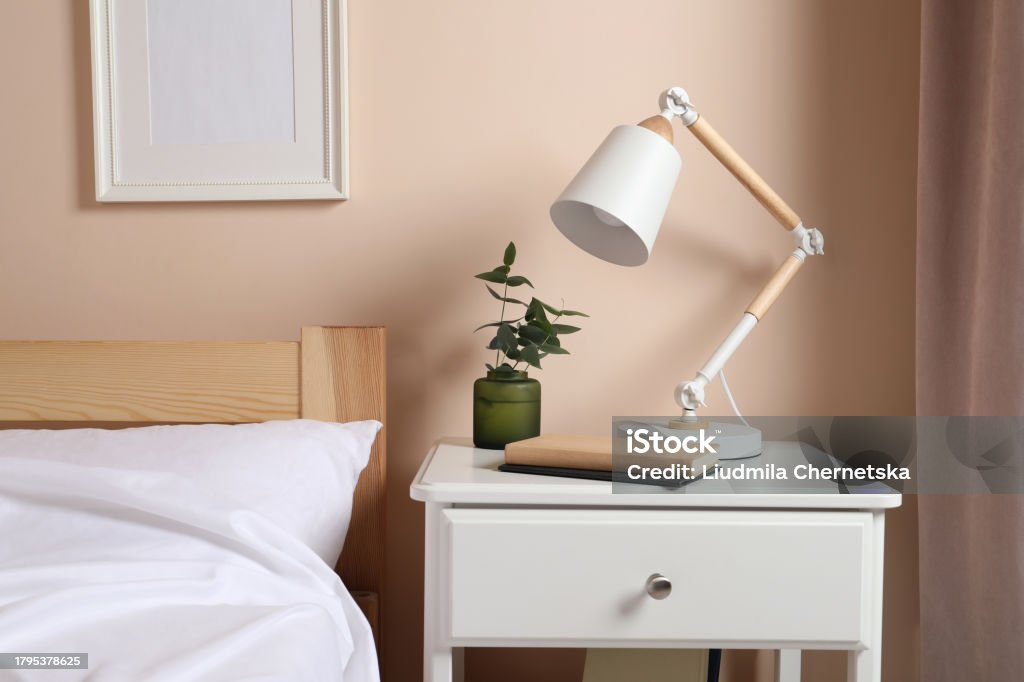
A harsh, bright light at night keeps your brain alert when it should be winding down. A soft, warm bedside lamp, on the other hand, signals your mind to relax.
Your goal is to create a transition zone between an active day and restful sleep.
Choose a lamp that:
- Emits warm light (not cold white)
- Is comfortable to switch on/off from bed
- Matches your overall room aesthetic
This small change can improve your sleep quality more than most people realize.
3. Introduce Structured Simplicity With Books
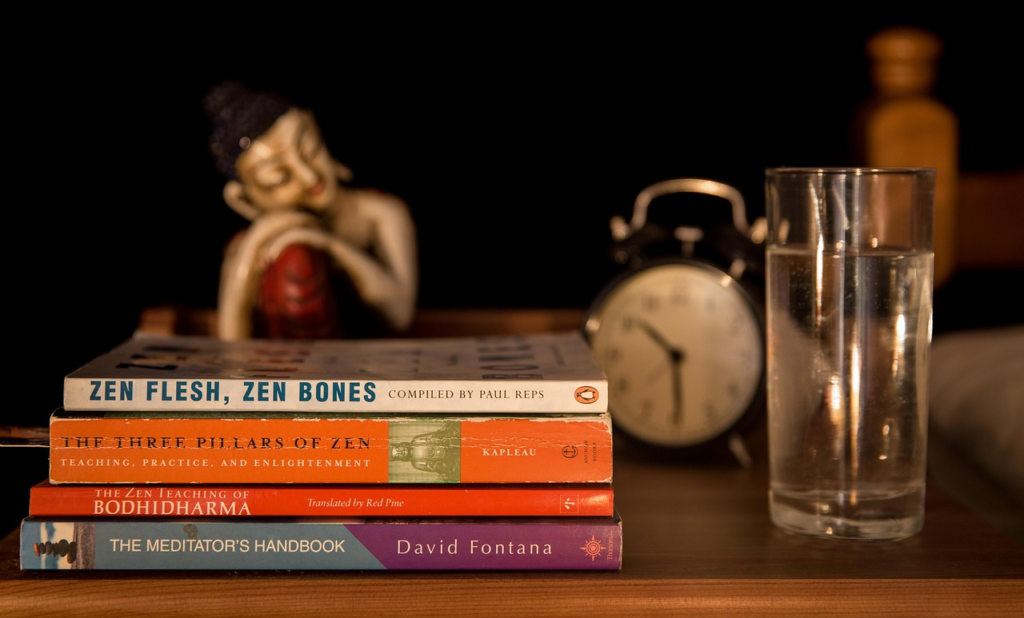
Books on a bedside table serve two purposes: function and identity.
Functionally, they give you a healthier alternative to phone usage before sleep. Mentally, they reflect what you’re feeding your mind.
Instead of scattering multiple items, place one to three books in a neat stack. This creates structure and visual balance.
Choose intentionally:
- One for growth (mindset, business, discipline)
- One for light reading or reflection
The key is not quantity—it’s relevance.
4. Bring in a Natural Element
Modern interiors often lack life. That’s why adding something natural has such a strong impact.
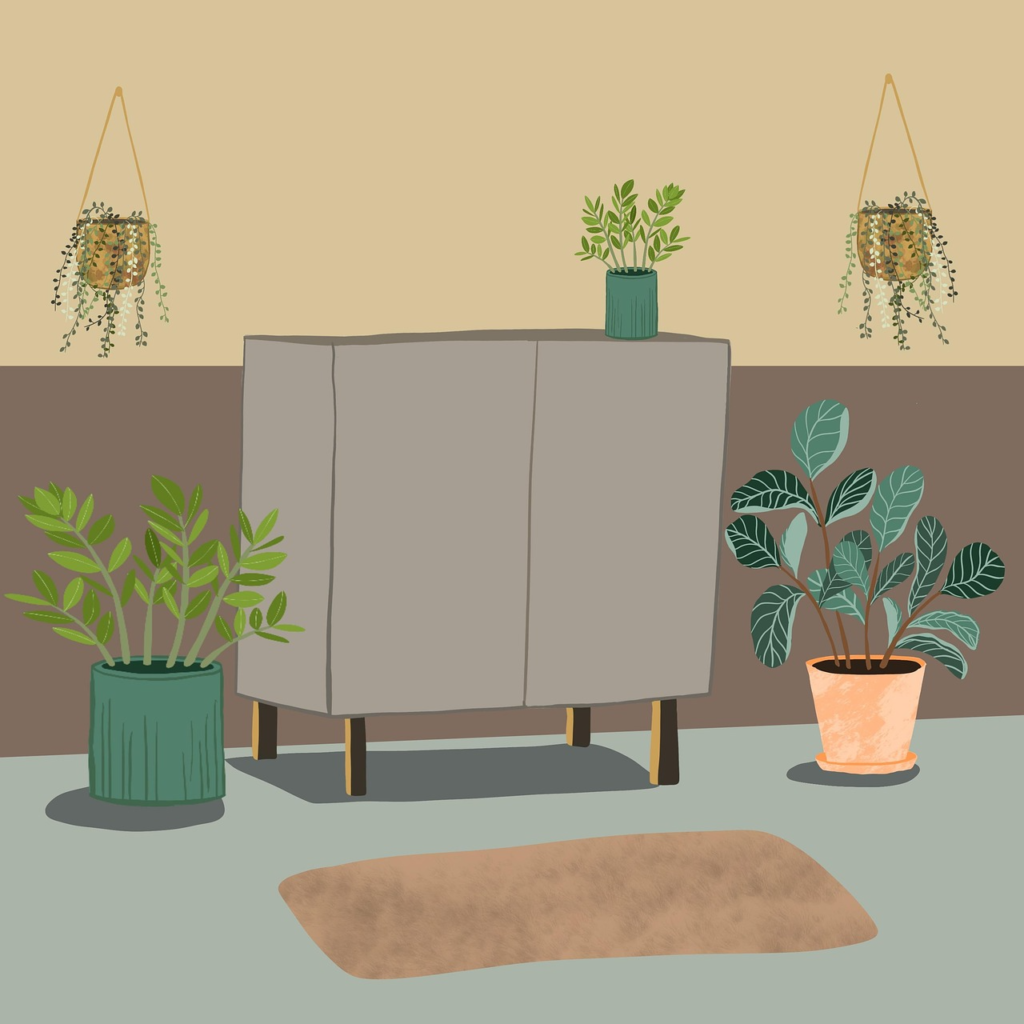
A small plant or a simple arrangement of flowers introduces softness, freshness, and calmness into your space. It breaks the monotony of artificial materials and adds subtle energy.
Even a minimal touch of greenery can:
- Reduce visual harshness
- Improve mood
- Make the space feel more alive
This is a small addition with disproportionate impact.
5. Create Order With a Dedicated Space for Essentials
One of the biggest reasons bedside tables look messy is the absence of structure.
Small daily items—like your watch, glasses, or accessories—end up scattered. Over time, this creates visual chaos.
The solution is simple: assign them a place.
Use a tray or a defined section of your table to hold these essentials. This turns randomness into order.
When everything has a place:
- Your space looks cleaner
- Your routine becomes smoother
- You waste less time searching for things
Organization is not about restriction—it’s about efficiency.

6. Add One Meaningful Personal Element
A bedside table should feel personal—but controlled.
Instead of filling it with multiple decorative items, choose one meaningful object:
- A framed photo
- A small piece of art
- An item with emotional value
This creates depth without clutter.
Too many personal items dilute meaning. One strong element, placed intentionally, has far more impact than several weak ones.

7. Design It for Real Life, Not Just Appearance
A common mistake is designing for aesthetics alone.
A bedside table should support your actual daily behavior. If it looks perfect but doesn’t function well, it will eventually become messy again.
Think practically:
- Keep water within reach
- Place a notebook for thoughts or planning
- Keep items you actually use, not just what looks good
When your space supports your habits, discipline becomes easier.

Final Perspective
Improving your bedside table might seem like a small thing—but it reflects a larger principle:
How you manage small spaces often mirrors how you manage your life.
When this space is:
- Clean → your mind feels clearer
- Organized → your routine becomes smoother
- Intentional → your habits become stronger
This isn’t just about decoration. It’s about building an environment that quietly pushes you toward a better version of yourself.
Follow Us on Pintrest for more inspirations.