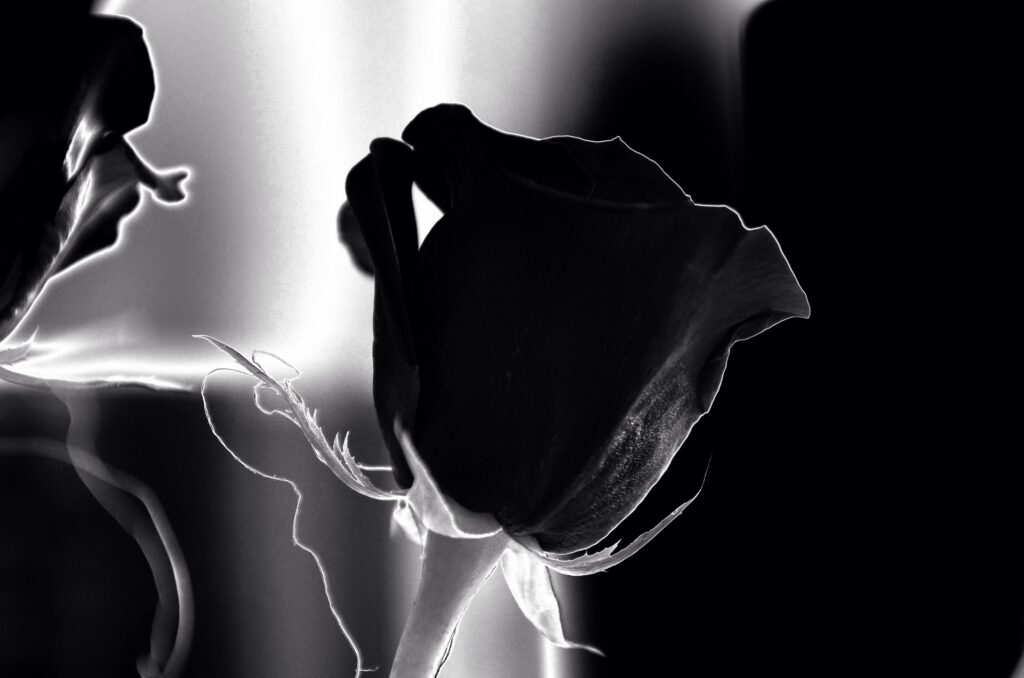
Black flowers carry a haunting beauty that speaks of grief, resilience, mystery, and silent strength. This emotional blog explores how these dark blooms symbolize heartbreak, survival, and the hidden pain many people carry within. More than symbols of death, black flowers represent transformation and the courage to bloom even in darkness. Through poetic reflection, the article uncovers why these rare blossoms continue to captivate wounded hearts across the world.
This article contains affiliate links. We earn from qualifying purchases at no extra cost to you.
I want to buy one.
Black flowers do not bloom for celebration. They bloom for memory.
They rise from the quietest corners of the earth, where grief has settled like winter fog, where forgotten tears have soaked into the soil for centuries. Unlike roses that blush red with passion or lilies that stretch white toward innocence, black flowers carry another language entirely — the language of sorrow, endurance, mystery, and survival. They are not flowers people give during moments of joy. They are flowers left behind after goodbye.
There is something deeply human about them.
A black flower does not ask to be admired. It asks to be understood.
In gardens filled with bright colors, black petals look almost unreal, as if they belong to another world. Their darkness absorbs light instead of reflecting it, much like wounded hearts absorb pain in silence. And perhaps that is why people are drawn to them. We recognize ourselves in their shadows. Every person carries hidden grief — the kind never spoken aloud, the kind buried beneath smiles and ordinary conversations. Black flowers become symbols for those invisible wounds.
They remind us that beauty does not always arrive in happiness.
Sometimes beauty is born in suffering.
Sometimes beauty survives because of suffering.
Buy one now.
The black rose, for example, has long been associated with endings. Not merely death, but the death of versions of ourselves. The end of innocence. The collapse of love. The funeral of dreams we once carried like sacred fire. Yet even in its darkness, the black rose remains breathtaking. Its petals curl softly like velvet touched by midnight. It proves that even broken things can possess elegance.
And that truth cuts deeply.
Because human beings spend much of their lives trying to hide pain. We decorate sadness, disguise loneliness, and silence heartbreak because the world rewards brightness. But black flowers refuse that performance. They stand openly in darkness without apology. They whisper that despair is part of existence, not a weakness within it.
There is profound courage in that.
Imagine a single black tulip standing alone in a field of vibrant spring blossoms. It does not compete for attention. It does not beg the sun to change its color. It simply exists as it is — dark, solemn, unforgettable. That image alone feels like poetry for every soul who has ever felt different, abandoned, or emotionally isolated.
Black flowers are for people who have survived storms nobody noticed.
They belong to the widow who still reaches across an empty bed at night. They belong to the man who laughs loudly in public while carrying oceans of loneliness inside. They belong to children who grew up too quickly, to lovers betrayed, to dreamers who watched their hopes collapse one painful year at a time.
And yet black flowers are not symbols of defeat.
That is the misunderstanding many people make.
Darkness is not always surrender.
Sometimes darkness is resilience.
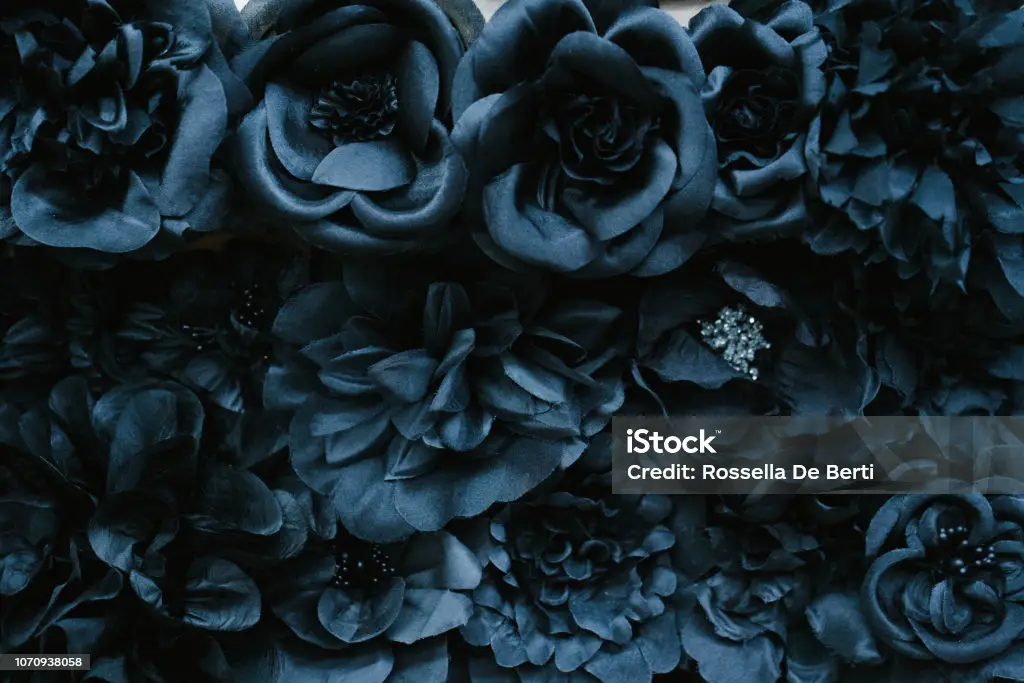
A black flower blooms despite carrying the color of mourning. It still opens its petals to the world after absorbing endless rain and shadow. In that way, it mirrors the human spirit perfectly. The most compassionate people are often those who have suffered the most. The gentlest souls are frequently the ones who know heartbreak intimately. Pain deepens people. It carves emotional wisdom into them like rivers shaping stone.
Black flowers embody that depth.
There is also mystery within them — the kind that cannot be explained with ordinary language. Looking at a black orchid feels like staring into the unknown parts of yourself. The hidden fears. The buried memories. The questions without answers. Why do people leave? Why does love fade? Why do some wounds never fully heal? Black flowers never answer these questions. They merely sit beside them in silence.
And sometimes silence is more comforting than explanation.
In many cultures, black flowers are connected to rebirth and transformation. This may seem strange at first, but it makes sense when one understands grief. People do not emerge from suffering unchanged. Loss reshapes identity. Pain transforms perception. The person who walks out of heartbreak is never the same person who walked into it.
Black flowers honor that transformation.
They symbolize the ashes from which new versions of ourselves rise.
Not brighter.
Not untouched.
But stronger in quiet ways.
There is a heartbreaking tenderness in imagining someone planting black flowers after losing someone they loved. Each petal becomes a memory. Each bloom becomes a conversation with absence. Gardens of black flowers are not gardens of death; they are gardens of remembrance. They say: You existed. You mattered. Your absence changed me forever.
Perhaps that is why black flowers feel so emotional to us. They acknowledge the permanence of love and loss together. To love deeply is to risk devastation. Every beautiful connection carries the possibility of grief hidden inside it. Black flowers accept this truth without resistance.
Love and sorrow have always grown from the same root.
Even literature and art have long been fascinated by dark blossoms. Poets describe them as symbols of forbidden emotion, tragic romance, and eternal longing. Painters place them in dim candlelit portraits beside grieving figures. Musicians sing of them in melancholic lyrics because black flowers evoke feelings words alone cannot fully capture.
They feel like memories.
Like rain against a hospital window.
Like unread letters.
Like footsteps fading down a hallway after a final goodbye.
There is something hauntingly sacred about them.
And still, despite all this sorrow, black flowers remain alive.
That may be the most emotional truth of all.
They are not dead flowers.
They are living flowers carrying the appearance of mourning.
What a powerful metaphor for humanity.
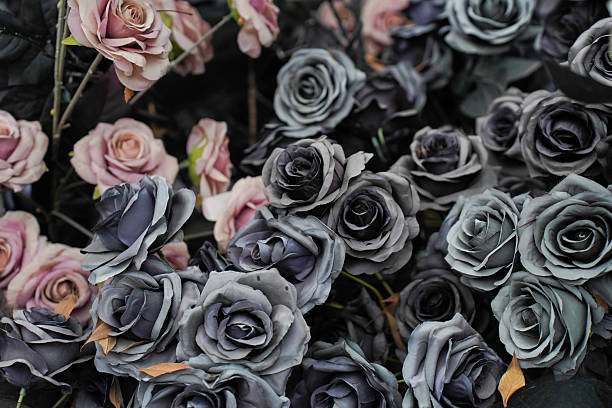
So many people walk through life smiling while carrying darkness internally. They continue waking up, working, loving, and surviving despite emotional winters inside them. Like black flowers, they continue to bloom while holding grief in their petals.
That resilience deserves reverence.
Maybe black flowers teach us that sadness should not always be feared. Modern life pressures people to escape pain immediately, to heal quickly, to remain optimistic no matter what. But emotions do not obey deadlines. Some heartbreaks become permanent residents within us. Some losses echo for decades. Black flowers tell us this is natural.
There is dignity in sorrow.
There is humanity in mourning.
There is beauty in surviving what should have destroyed you.
And perhaps that is why black flowers leave such a lasting imprint on the heart. They are not merely botanical wonders. They are emotional mirrors. They reflect the hidden parts of being human — grief, endurance, memory, mystery, longing, and love that survives even after loss.
When you look at a black flower, you are not simply looking at darkness.
You are looking at a soul that learned how to bloom there.