
Your room is more than just a place to sleep—it’s where you relax, study, work, and spend a significant part of your day. A clean and organized room doesn’t just look attractive; it can also improve your mood, increase productivity, reduce stress, and create a healthier living environment.
Many people think keeping a room clean requires hours of work every week. In reality, the secret is not cleaning more—it’s developing small daily habits that prevent mess from building up. Here are practical tips that can help you maintain a neat and organized room with less effort.
1. Start Every Day by Making Your Bed
Making your bed may seem like a small task, but it has a surprisingly large impact. Since the bed is usually the largest object in the room, a neatly made bed instantly makes the entire room appear cleaner.
This simple habit also creates a sense of accomplishment early in the day and often motivates you to keep the rest of your room tidy.
2. Follow the “Put It Away Immediately” Rule
One of the biggest reasons rooms become messy is that items are left “just for now.” Books stay on the desk, clothes end up on a chair, and chargers remain on the floor.
Instead, make it a habit to return every item to its designated place as soon as you’re finished using it. This takes only a few extra seconds but prevents clutter from accumulating.
3. Declutter Before You Organize
Organization becomes difficult when you own too many unnecessary items. Every month, take a few minutes to sort through your belongings and ask yourself:
- Have I used this recently?
- Do I really need it?
- Can someone else benefit from it?
Donate usable items, recycle what you can, and dispose of broken or unnecessary objects. Less clutter means less cleaning and easier organization.
4. Create Storage for Everything
Every item should have a permanent “home.” Use shelves, storage bins, drawer organizers, baskets, and boxes to organize your belongings.
For example:
- Keep stationery in one container.
- Store electronics and chargers together.
- Fold seasonal clothing into storage boxes.
- Use under-bed storage for items you don’t use often.
When everything has a designated place, cleaning becomes much faster.
5. Never Let Laundry Pile Up
Clothes are often the biggest source of mess in a bedroom. Keep two simple rules:
- Dirty clothes go directly into a laundry basket.
- Clean clothes are folded or hung up immediately after washing.
Avoid leaving clothes on the bed, chair, or floor, as they quickly make even a clean room appear untidy.
6. Clean a Little Every Day
Instead of waiting until your room becomes very messy, spend just 10 minutes each day doing small cleaning tasks.
You might:
- Put misplaced items away.
- Wipe your desk.
- Empty the trash.
- Sweep visible dust.
- Arrange your pillows and blankets.
Daily maintenance prevents cleaning from becoming overwhelming.
7. Dust and Vacuum Regularly
Dust collects on furniture, electronics, bookshelves, and windowsills. Over time, it can trigger allergies and make your room look dull.
Use a microfiber cloth to dust surfaces once a week. Vacuum carpets or sweep hard floors regularly, paying extra attention to corners and areas under furniture where dust tends to accumulate.
8. Keep Your Desk Organized
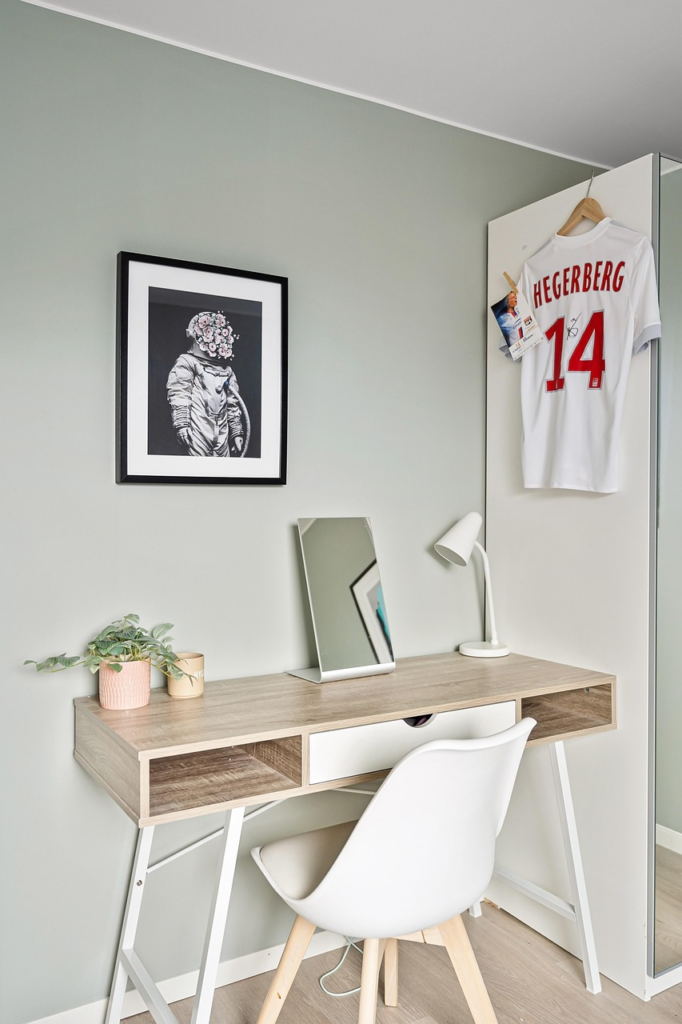
A messy desk often leads to a distracted mind. Whether you’re studying or working from home, keep only essential items on your desk.
Store papers in folders, organize cables with clips or ties, and avoid stacking unnecessary items on your workspace. A clean desk makes it easier to focus and stay productive.
9. Improve Air Quality
A clean room should also feel fresh. Open your windows whenever possible to let fresh air circulate.
Wash your bedsheets every one to two weeks, clean pillow covers regularly, and avoid leaving food or dirty dishes in your room. These habits help eliminate odors and create a healthier environment.
10. Build Habits Instead of Waiting for Motivation
Many people clean only when they feel motivated. Unfortunately, motivation comes and goes. Habits are much more reliable.
Choose a consistent cleaning routine, such as spending ten minutes every evening tidying your room before going to bed. Over time, these small actions become automatic and require very little effort.
Benefits of Keeping Your Room Clean
Maintaining a clean room provides benefits that go far beyond appearance.
A tidy room can:
- Reduce stress and mental clutter.
- Improve concentration while studying or working.
- Save time because everything is easier to find.
- Reduce dust, allergens, and unpleasant odors.
- Create a welcoming environment for family and guests.
- Encourage self-discipline and healthy daily routines.
- Help you sleep better by creating a calm and relaxing atmosphere.
Common Mistakes to Avoid
Many people unintentionally make cleaning harder by following poor habits. Try to avoid:
- Leaving clothes on chairs or the floor.
- Keeping unnecessary items “just in case.”
- Ignoring small messes until they become large.
- Eating in your room without cleaning up afterward.
- Buying storage solutions before removing clutter.
Addressing these habits can make a noticeable difference in how clean your room stays.
Final Thoughts
A clean room is not about perfection—it’s about consistency. You don’t need to dedicate hours every weekend to cleaning if you spend a few minutes each day maintaining your space. Small habits, such as making your bed, putting things away immediately, and decluttering regularly, add up over time.
Your room reflects your daily routines. By taking care of your surroundings, you create a space that supports your health, productivity, and peace of mind. A cleaner room can lead to a clearer mind and a more enjoyable everyday life.