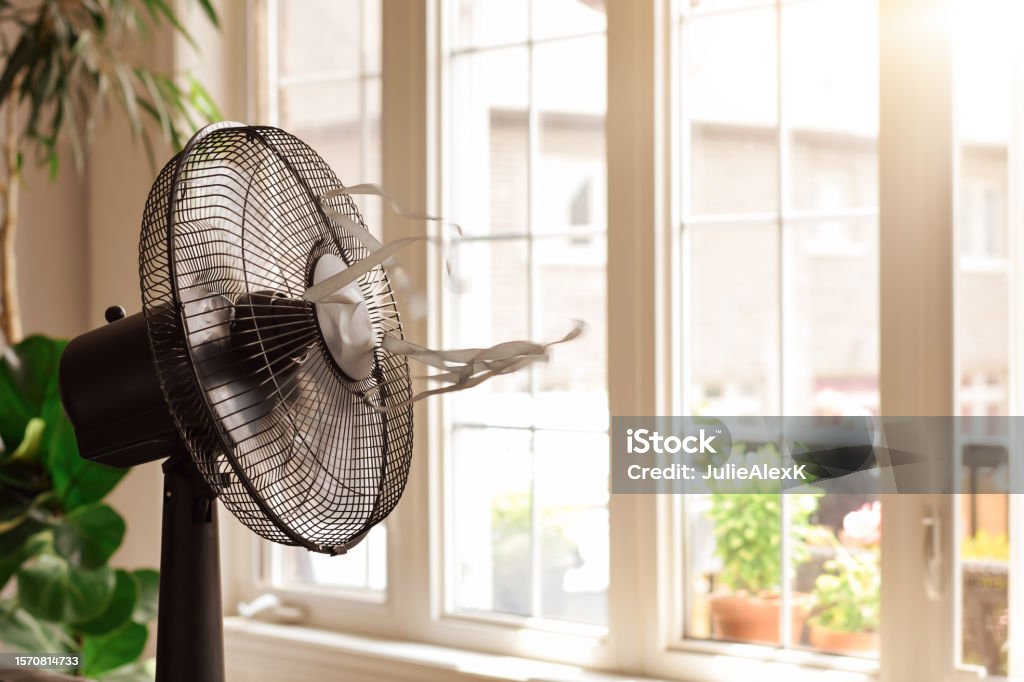
As temperatures rise during the summer, keeping your room cool can become a challenge. While air conditioners provide quick relief, they consume a significant amount of electricity and may not always be available or affordable. Fortunately, there are many natural ways to reduce indoor heat and create a more comfortable living space.
By combining a few simple strategies, you can noticeably lower the temperature in your room while saving energy and improving air quality.
1. Block the Sun During the Hottest Hours
Sunlight entering through windows is one of the biggest reasons rooms become hot. Glass allows sunlight to enter, where it turns into heat and becomes trapped inside.
Keep curtains, blinds, or shades closed during the hottest part of the day, especially on windows that face east or west. Light-colored or reflective curtains work particularly well because they reflect more sunlight instead of absorbing it.
2. Ventilate Your Room at the Right Time
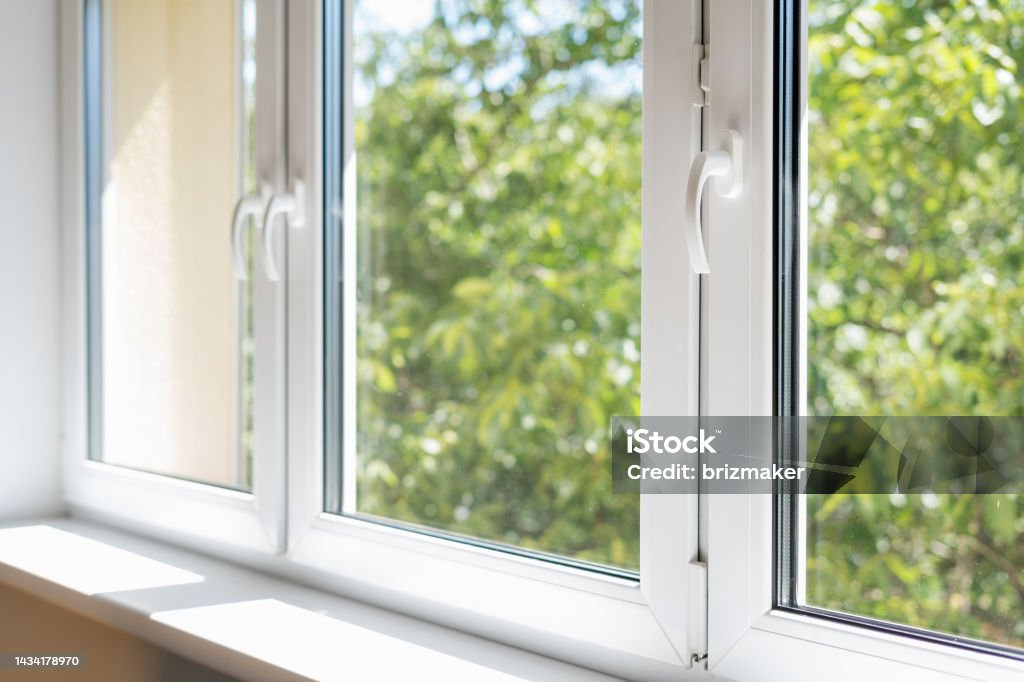
Fresh air is most effective when outdoor temperatures are lower than indoor temperatures.
Open your windows early in the morning and late in the evening to allow cool air to circulate through your room. If possible, open windows on opposite sides of your home to create cross-ventilation, which helps push warm air out and pull cooler air in.
During the hottest afternoon hours, keep windows closed to prevent hot air from entering.
3. Use Fans More Efficiently
Fans don’t lower the room temperature, but they increase air movement, making your body feel cooler by speeding up sweat evaporation.
For even better cooling:
- Place a bowl of ice or a frozen water bottle in front of the fan.
- Position the fan near an open window during cooler evenings to draw fresh air indoors.
- Turn off fans when no one is in the room, as they cool people—not the air.
4. Reduce Heat from Electronics
Many household devices generate heat without us noticing.
Computers, televisions, gaming consoles, chargers, and even bright light bulbs add warmth to your room. Turn off electronics when they’re not in use, unplug chargers, and replace traditional incandescent bulbs with energy-efficient LED lights that produce much less heat.
5. Choose Breathable Bedding
Your bed can trap body heat, making it difficult to sleep comfortably.
During summer, choose lightweight cotton or linen sheets instead of heavy blankets or synthetic fabrics. Natural materials allow better airflow and help wick moisture away from your body.
6. Add Indoor Plants
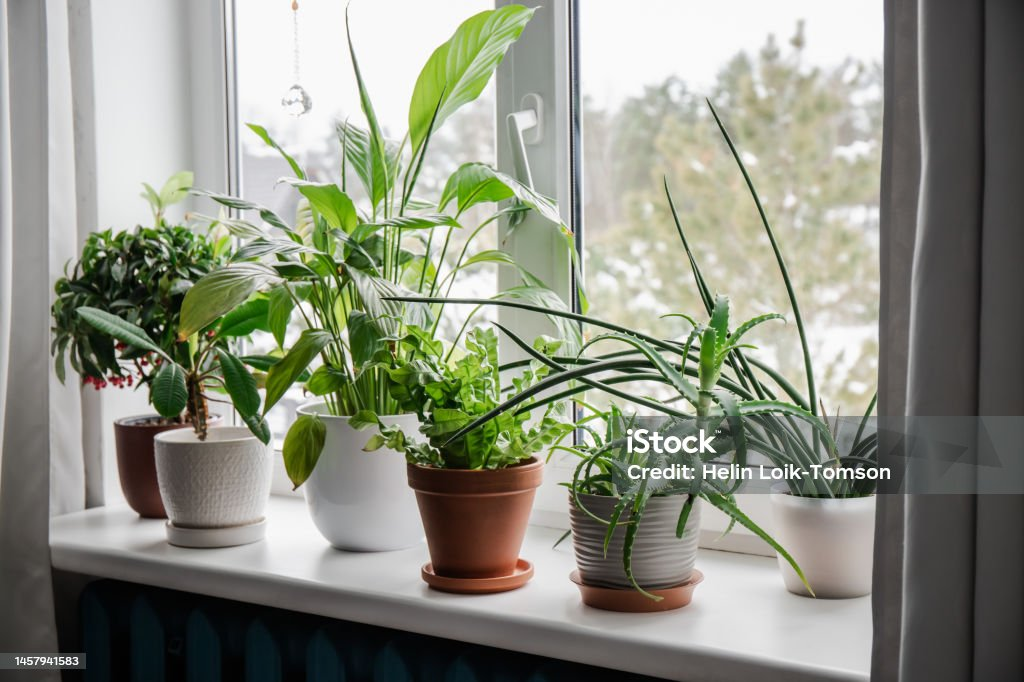
Some indoor plants can make a room feel fresher by releasing moisture through a natural process called transpiration.
Plants such as peace lilies, snake plants, areca palms, and spider plants can improve indoor air quality while adding a cooling, calming atmosphere to your room.
7. Stay Hydrated
Sometimes the room isn’t the only thing that needs cooling—your body does too.
Drink plenty of water throughout the day, wear lightweight clothing made from breathable fabrics, and avoid heavy meals during the hottest hours, as digestion also produces body heat.
8. Keep the Room Clutter-Free
A cluttered room can restrict airflow and make cleaning more difficult. Organizing furniture and removing unnecessary items allows air to circulate more freely and can make the room feel lighter and more comfortable.
9. Avoid Activities That Generate Heat
Cooking, ironing, using a hair dryer, or running multiple electronic devices during the afternoon can significantly increase indoor temperatures.
Whenever possible, perform these activities during the early morning or evening when temperatures are lower.
10. Use Light-Colored Décor
Dark-colored bedding, curtains, rugs, and furniture absorb more heat than lighter colors.
Choosing white, cream, beige, or pastel-colored fabrics helps reflect sunlight and creates a brighter, cooler-looking room.
11. Seal Out Hot Air
Warm outdoor air can enter through gaps around windows and doors.
Use simple weather stripping or door seals to reduce hot air entering your room during the day. This also helps maintain cooler temperatures once your room has cooled.
12. Create a Night Cooling Routine
Before going to bed:
- Open the windows if the outside air is cooler.
- Turn on a fan to circulate fresh air.
- Switch off unnecessary lights and electronics.
- Use lightweight bedding.
- Take a cool shower before sleeping to lower your body temperature.
These small habits can make warm summer nights much more comfortable.
Benefits of Cooling Your Room Naturally
Natural cooling methods provide several advantages:
- Reduce electricity bills.
- Lower dependence on air conditioners.
- Improve indoor air quality.
- Create a healthier and more comfortable sleeping environment.
- Reduce your environmental impact.
- Make your home feel fresher throughout the summer.
Final Thoughts
Keeping your room cool naturally doesn’t require expensive equipment. The key is to reduce heat entering the room, improve airflow, and minimize indoor heat sources. Closing curtains during the day, ventilating at the right times, using fans wisely, reducing heat-producing appliances, and choosing breathable fabrics can all make a noticeable difference.
By adopting these simple habits, you can enjoy a cooler, healthier, and more energy-efficient home throughout the summer months.