The Story of the Table: From Simple Surfaces to the Heart of the Home
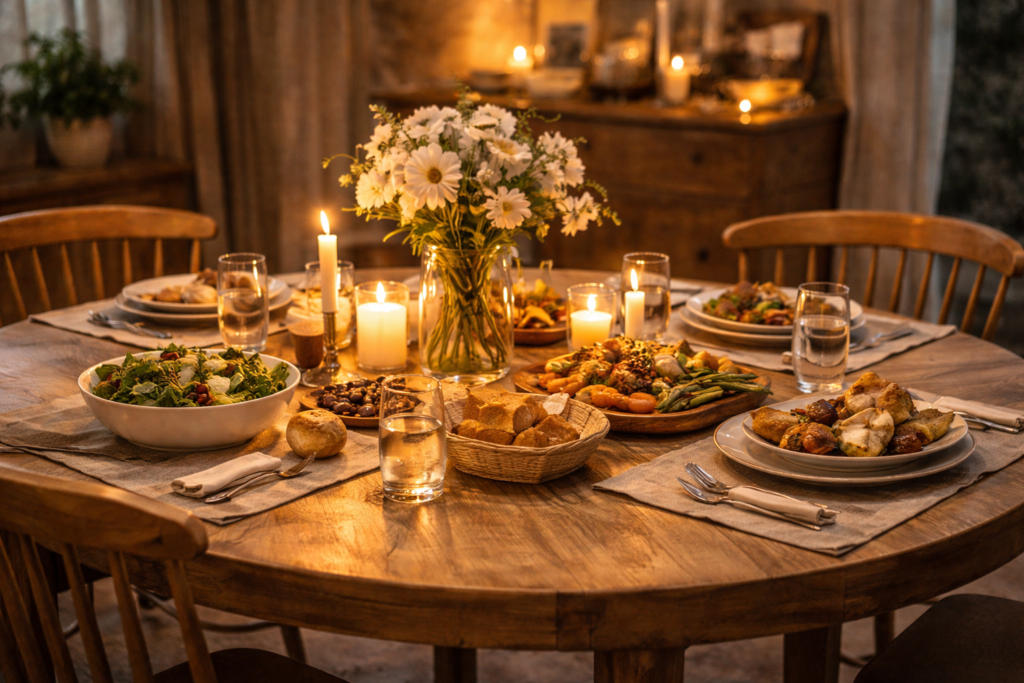
Imagine a time long before dining rooms, kitchens, or even chairs existed. Thousands of years ago, early humans gathered around fires to share food. They didn’t have tables yet—meals were placed directly on flat stones, tree stumps, or the ground. These natural surfaces were the earliest ancestors of what we now call the table.
The First “Tables” – Nature’s Surfaces
In prehistoric times, humans needed a clean and stable place to prepare and share food. Large stones or slabs of rock served this purpose. Archaeologists believe that as communities settled into more permanent homes, people began intentionally placing flat stones on supports like smaller rocks or wooden logs. These simple structures were the earliest man-made tables.
These primitive tables weren’t furniture in the modern sense—they were practical tools used for preparing food, crafting tools, and sometimes performing rituals.
Ancient Civilizations Refine the Idea
As civilizations grew, the table evolved. In ancient Egypt, small wooden tables appeared around 2500 BCE. They were often used by nobility and were carefully crafted with carved legs. Egyptians used them to hold food, cosmetics, and ceremonial objects.
In ancient Greece, tables became more common during meals, although they were often small and portable. Greeks sometimes used round or tripod-style tables that could be moved easily.
The Romans took table design even further. Wealthy Roman households had large dining tables called mensa, often made from marble or richly carved wood. Roman dining culture turned tables into social centers where people gathered to eat, discuss politics, and celebrate.
Medieval Tables – Practical and Portable
During the Middle Ages, most tables were simple and practical. In castles and great halls, large wooden planks were placed on trestles (supports) to create long dining tables. After meals, these tables could be disassembled and stored to make room for other activities.
This is actually where the phrase “setting the table” originated—because the table literally had to be set up before each meal.
Craftsmen began experimenting with heavier wooden tables that stayed in one place. Oak became a popular material because it was strong and durable.
The Renaissance – Tables Become Furniture
By the Renaissance period (1400–1600), tables were no longer just functional objects. They became symbols of craftsmanship and status. Skilled woodworkers carved intricate designs, decorative legs, and ornate surfaces.
Different types of tables also began appearing:
- Dining tables
- Writing desks
- Coffee tables
- Console tables
Furniture design became an art form, and tables were often the centerpiece of a room.
The Modern Table – The Center of Daily Life
Today, tables exist in nearly every part of our lives. We eat at dining tables, work at desks, gather around conference tables, and decorate coffee tables in our living rooms.
Materials have expanded far beyond wood—modern tables are made from glass, metal, marble, engineered wood, and composite materials. Designs range from minimalist Scandinavian styles to bold contemporary pieces.
Yet despite all these changes, the table still serves the same core purpose it did thousands of years ago: bringing people together.
More Than Furniture
A table is where families share meals, friends talk late into the night, children do homework, and ideas are born. It’s a place for connection, creativity, and conversation.
From a simple stone beside a fire to a beautifully crafted piece of furniture in modern homes, the table has quietly shaped human life for centuries.
And that simple flat surface?
It remains one of humanity’s most timeless inventions.